Not Choosing the Right Dumpster Size
One of the most common mistakes homeowners make when renting a roll-off dumpster is selecting the wrong size. Many people underestimate how much debris their project will generate, especially during renovations or cleanouts. A dumpster that is too small can fill up quickly and require an additional haul, increasing both cost and downtime. On the other hand, choosing a dumpster that is unnecessarily large can take up extra space and add to the rental price. Taking time to understand your project scope and consulting with a rental provider can help you choose the right size from the beginning.
Overfilling the Dumpster
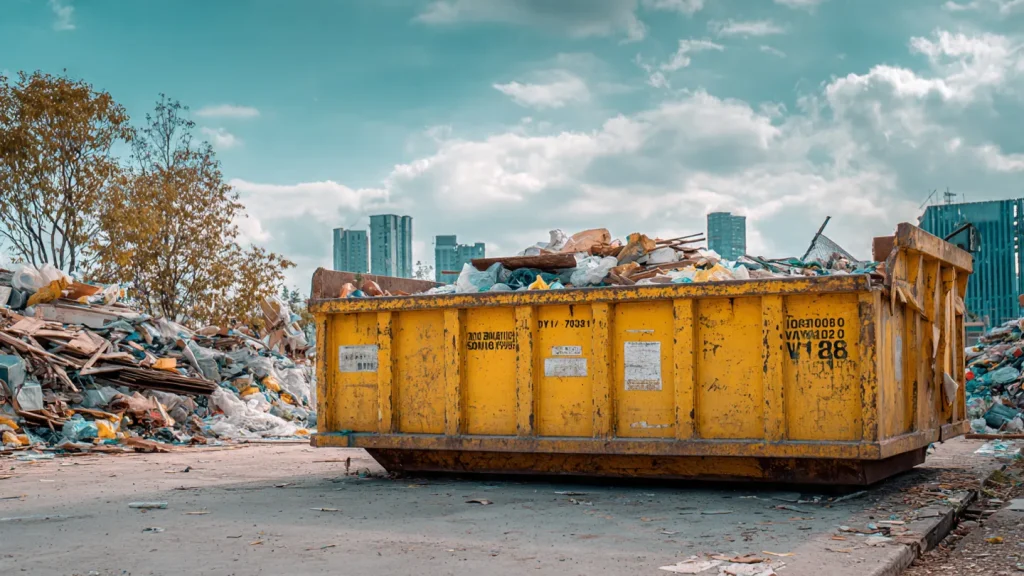
Overfilling a roll-off dumpster is another frequent mistake that can lead to additional fees or delays. Dumpsters are designed to be filled only up to the top edge to ensure safe transportation. When debris extends above the rim, it becomes a safety hazard and may prevent the dumpster from being hauled away. Properly distributing materials and stopping once the container reaches capacity helps avoid these issues and keeps your project running smoothly.
Ignoring Weight Limits
Many renters focus only on volume and forget about weight limits. Heavy materials such as concrete, dirt, bricks, or roofing shingles can quickly exceed the allowed weight even if the dumpster is not completely full. Exceeding weight limits often results in extra charges. Understanding the type of materials you are disposing of and choosing an appropriate dumpster size for heavy debris can prevent unexpected costs.
Placing the Dumpster in the Wrong Location
Improper placement of a roll-off dumpster can create accessibility issues and potential damage to property. Driveways are usually the best location, but they must have enough space and clearance for the delivery truck. Placing a dumpster on the street without checking local regulations can also result in fines if a permit is required. Planning the placement in advance ensures a smooth delivery and pickup process.
Disposing of Prohibited Items
Not all materials are allowed in roll-off dumpsters, yet many renters are unaware of these restrictions. Items such as hazardous chemicals, paint, batteries, tires, and certain electronics often require special disposal methods. Placing prohibited items in a dumpster can lead to additional fees or refusal of pickup. Asking your rental provider about restricted materials before loading the dumpster helps avoid problems later.
Underestimating the Rental Time Needed
Another common mistake is assuming the project will take less time than it actually does. Home renovations and cleanouts often take longer than expected due to unforeseen challenges. If the rental period ends before the project is finished, you may need to request an extension or schedule an extra pickup. Planning for a realistic timeline and allowing extra time can save stress and additional costs.
Not Comparing Pricing and Services
Some renters focus only on the advertised price without understanding what is included. Pricing can vary depending on delivery, pickup, disposal fees, weight limits, and rental duration. Failing to compare services and clarify pricing details can result in unexpected charges. Choosing a reputable dumpster rental company that offers transparent pricing and clear communication helps ensure a positive experience.
Avoiding Costly Mistakes with Proper Planning
Renting a roll-off dumpster does not have to be complicated, but avoiding common mistakes can make a significant difference in cost and convenience. By choosing the right size, respecting weight limits, understanding rental terms, and planning ahead, homeowners can complete their projects efficiently and without unnecessary stress. Working with an experienced roll-off dumpster rental provider ensures you get the right guidance and support throughout the process.